

Buying Guides
Black Friday Garden Furniture Deals 2026: Wicker Patio Sets Worth Buying
Explore Black Friday garden furniture deals on wicker patio sets, outdoor sofas, and cushions. Compare seasonal discounts and find the right fit for your patio.

Getting the most out of your outdoor spaces.
Buying Guides
Explore Black Friday garden furniture deals on wicker patio sets, outdoor sofas, and cushions. Compare seasonal discounts and find the right fit for your patio.

Buying Guides
Learn how to choose the best quality outdoor furniture. Compare durable wicker materials, sturdy frames, and comfortable cushions for lasting outdoor style.

Materials & Comfort
Explore the most comfortable outdoor furniture, from supportive cushions and durable materials to seating styles and tips for a relaxing patio.

Buying Guides
Find the best patio furniture for your outdoor space. Compare durable materials, comfortable seating, and stylish sets to create the perfect patio.
Care & Maintenance
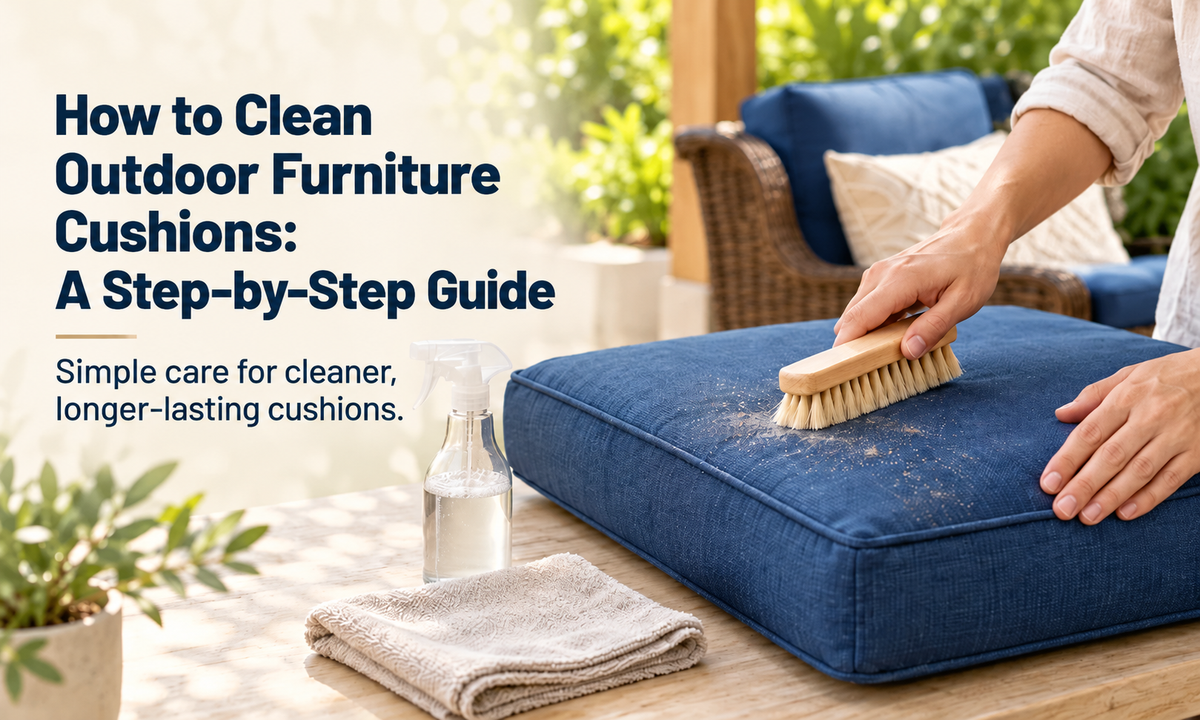
Outdoor furniture cushions are regularly exposed to dust, pollen, food spills, sunlight, and moisture. Without proper care, dirt can become embedded in the fabric, unpleasant odors may develop, and damp filling can encourage mould growth. The best way to clean outdoor furniture cushions is to match the method to the fabric, cover construction, and care label. This guide explains how to clean outdoor cushions safely, remove common stains, dry them thoroughly, and reduce future maintenance. What You Need Before Cleaning Outdoor Cushions Choose a dry day with good airflow and work on a clean, water-resistant surface. Before applying any cleaner, read the care label and test the solution on a hidden area. Cleaning Supplies For routine cleaning, prepare: A vacuum or soft brush A bucket of lukewarm water Mild liquid soap or fabric-safe detergent A soft-bristled brush or nonabrasive sponge Clean microfiber cloths or towels A garden hose with a gentle spray setting A spray bottle Protective gloves A fabric-approved stain or mould remover, if needed Avoid hard brushes, hot water, solvents, and strong household chemicals unless the manufacturer specifically approves them. How to Clean Outdoor Furniture Cushions Step by Step This method works for most outdoor cushions with fixed covers and removable covers labeled for hand washing. Always check the care label first to avoid damaging the fabric or filling. Step 1 — Remove Loose Dirt and Debris Brush away loose dirt, leaves, and dust with a soft-bristled brush or vacuum cleaner. Pay attention to seams, folds, and corners where debris tends to collect. Removing dry dirt first helps prevent it from spreading during cleaning. Step 2 — Pretreat Visible Stains Remove any solid residue, then gently blot stains with a clean cloth. Apply a small amount of mild detergent diluted in water and test it on an inconspicuous area first. Avoid scrubbing aggressively, as this can spread stains or damage the fabric. Step 3 — Prepare a Gentle Cleaning Solution Mix a small amount of mild detergent with lukewarm water, following the detergent instructions. Avoid harsh chemicals unless the cushion care label specifically permits them. A mild solution helps lift everyday dirt without unnecessarily damaging the fabric. Step 4 — Scrub the Cushions Gently Dip a soft sponge or brush into the solution and gently clean the cushion surface using small circular motions. Focus on stained areas and seams without oversaturating the filling. For removable covers, follow the recommended washing method rather than assuming they can be soaked. Step 5 — Rinse Away the Soap Wipe the surface with a clean, damp cloth or rinse gently with clean water if the care instructions allow it. Remove all detergent residue, paying attention to seams and folds. Avoid excessive water, especially on cushions with fixed covers. Step 6 — Blot and Air-Dry Press a clean, dry towel against the cushion to absorb excess moisture without twisting or squeezing the filling. Place the cushion in a well-ventilated area and allow it to dry completely before using or storing it. Check the seams and underside, as these areas often retain moisture longer. How to Wash Different Types of Outdoor Cushions The best way to clean outdoor furniture cushions depends on whether the covers are removable, machine-washable, or designed to resist water. Always check the care label before washing to avoid damaging the fabric or cushion filling. Cushion Type Recommended Cleaning Method Important Considerations Removable, machine-washable covers Machine-wash according to the care label. Check the recommended water temperature, detergent, and drying instructions. Removable, hand-wash-only covers Gently hand-wash with a mild detergent. Avoid prolonged soaking or wringing the fabric. Cushions with non-removable covers Spot-clean with a damp cloth or soft sponge. Prevent excess water from soaking into the filling. Waterproof or water-resistant cushions Follow the care instructions for the specific fabric. Water resistance does not necessarily mean the entire cushion is waterproof or machine-washable. Air-drying is generally safer than tumble drying unless the label permits heat. High temperatures may shrink the cover, affect protective coatings, or make the fabric difficult to refit. How to Remove Mould and Common Outdoor Cushion Stains Different stains need different treatments. Mud should dry before being brushed away, while food and drink spills should be blotted promptly. Mould requires both cleaning and moisture control. How to Remove Mould and Mildew To remove mould and mildew from outdoor cushions, brush off loose growth outdoors and clean the affected area with a mild detergent solution suitable for the fabric. When cleaning outdoor cushions, wear gloves, avoid inhaling mould spores, and follow the care label to prevent fabric damage. Rinse away residue as directed, then allow the cushions to dry completely in a well-ventilated area. If mould has penetrated the filling or the musty smell persists, surface cleaning may not be enough. Can You Use Bleach on Outdoor Cushions? Bleach should only be used on outdoor cushions when the care label explicitly permits it, as it can fade coloured fabrics, weaken fibres, or damage protective coatings. For routine cleaning, mild detergent and water are generally a safer option. Before deciding how to clean outdoor furniture cushions, check the manufacturer's care instructions and test any approved cleaning solution on a hidden area. Never mix bleach with vinegar, ammonia, or other cleaning products, as this can release hazardous gases. How to Dry, Protect and Maintain Outdoor Cushions Effective maintenance does not end after washing. Proper drying and storage are essential for preventing recurring odors and mildew. How to Dry Outdoor Cushions Properly After cleaning outdoor furniture cushions, remove excess water with a clean towel and let them air-dry in a well-ventilated area. Turn the cushions periodically to help both sides dry evenly, and check the seams and undersides for trapped moisture. Make sure the cushions are completely dry before putting them back on your patio furniture or covering them for storage, as lingering dampness can encourage mould and mildew. How to Protect Outdoor Cushions Between Uses Once outdoor cushions are clean and dry, protecting them from dust, fallen leaves, and changing weather can reduce how often they need cleaning. Outdoor furniture covers designed for patio chairs and sofas help protect furniture surfaces between uses. Choose a cover that fits your furniture properly, and make sure the cushions are completely dry before covering them to prevent trapped moisture. How to Keep Outdoor Cushions Clean Longer Choosing cushions with easy-care covers can make regular maintenance less time-consuming. The Hawthorne 6-piece outdoor wicker sofa set features removable Olefin cushion covers with zippers, making them easier to remove for cleaning. The fabric also offers water-repellent properties and UV50+ protection, helping it handle everyday splashes and sun exposure. Regular cleaning and appropriate protection can help maintain the appearance of your patio, while choosing durable wicker outdoor furniture with easy-care cushion covers can simplify long-term upkeep. How Often Should You Clean Outdoor Cushions? Brush off loose dirt weekly and spot-clean spills as soon as possible to prevent stains from setting. Deep-clean outdoor cushions when they show visible dirt, develop odours, or accumulate pollen and grime. Cushions exposed to frequent use, heavy rain, or humid conditions may need more frequent attention. Always allow them to dry completely after cleaning before using or storing them. Conclusion Knowing how to clean outdoor furniture cushions comes down to using a fabric-appropriate method, rinsing thoroughly, and allowing the filling to dry completely. Regular brushing, immediate stain treatment, proper storage, and suitable furniture covers can reduce deep cleaning while helping patio cushions remain fresh and comfortable for longer. FAQ Can Outdoor Cushion Covers Go in the Washing Machine? Yes, outdoor cushion covers can go in the washing machine if the care label explicitly permits machine washing. Use the recommended water temperature and a gentle cycle, and avoid machine-washing covers labeled for hand washing only. Removable covers, such as those on HILLGA's Hawthorne outdoor wicker sofa set, make cleaning easier, but always check the care instructions before washing. How Do You Clean Outdoor Cushions Without Removable Covers? Clean outdoor cushions without removable covers by spot-cleaning them with a damp sponge and mild detergent. Gently work on stained areas, wipe away soap residue with a clean damp cloth, and blot excess moisture with a towel. Avoid soaking the cushion, as trapped moisture can cause mildew and persistent odors. Can You Pressure-Wash Outdoor Furniture Cushions? No, pressure-washing outdoor furniture cushions is generally not recommended because high-pressure water can damage fabric, seams, and protective coatings or force moisture into the filling. Use a soft brush, sponge, and mild cleaning solution instead. For easier routine maintenance, choose cushions with removable covers that can be cleaned according to their care labels. Why Do Outdoor Cushions Still Smell After Cleaning? Outdoor cushions may still smell after cleaning because moisture, detergent residue, or mildew remains trapped in the fabric or filling. Allow the cushions to dry completely in a well-ventilated area, including the underside and seams. If the odor persists, inspect the filling for deeper mold growth, which surface cleaning may not resolve. When Should Outdoor Cushions Be Replaced? Replace outdoor cushions when they have persistent mold or odors, severely damaged fabric, broken seams, or flattened filling that no longer provides adequate support. Minor stains alone do not necessarily mean a cushion needs replacing, as proper cleaning may restore its appearance. When choosing replacement cushions, consider removable covers and water-resistant fabrics to simplify routine care and help manage exposure to outdoor conditions.

Care & Maintenance
Outdoor furniture is continually exposed to sunlight, rain, dust, pollen, and everyday spills. Improper cleaning can damage protective finishes, fade fabrics, and shorten its service life. The key to keeping patio furniture clean and comfortable is matching the cleaning method to the material, treating stains promptly, and following a practical year-round maintenance routine. What Is the Best Way to Clean Outdoor Furniture? Most patio furniture can be maintained with basic household supplies. Before using specialized cleaners, complete these four essential steps. Check the Furniture Material Before Cleaning Identify whether the furniture is made from synthetic wicker, natural rattan, teak, painted wood, aluminum, steel, plastic, or outdoor fabric. Material identification is especially important with wicker outdoor furniture, since natural fibers and synthetic all-weather weaves require different moisture levels and cleaning methods. Always check the manufacturer’s care label before applying water or cleaning products. Remove Loose Dirt and Debris Take off cushions and accessories, then remove leaves, dust, crumbs, and pollen with a soft brush, microfiber cloth, or vacuum attachment. Dry removal prevents loose dirt from turning into muddy residue. Pay particular attention to fabric seams, frame joints, and wicker crevices. Clean with Mild Soap and Water A small amount of mild dish soap mixed with lukewarm water works for routine cleaning on most outdoor surfaces. Use a soft cloth on smooth finishes and a soft-bristle brush on textured areas. Work from the top downward without unnecessarily saturating joints, natural fibers, or cushion filling. Rinse and Dry the Furniture Thoroughly Rinse away all soap because dried detergent can leave a film and attract dirt. Towel-dry metal and wood, then let the furniture air-dry completely. Stand cushions on their sides so water can drain instead of settling inside the filling. How to Clean Patio Furniture by Material A universal cleaner is rarely the safest choice. Material-specific care protects finishes and achieves better results with less aggressive scrubbing. Clean Wicker Patio Furniture Vacuum or brush along the weave before washing synthetic wicker with mild soapy water and a soft brush. A toothbrush can reach tight corners without damaging the strands. Natural wicker and rattan absorb more moisture, so wipe them with a damp cloth instead of soaking them. Avoid pressure washing both natural and synthetic woven surfaces. Clean Wood and Teak Furniture Clean outdoor wood with diluted mild soap, moving a soft brush in the direction of the grain. Strong pressure and abrasive tools may raise the grain or strip the protective finish. Teak naturally develops a silver-gray patina, which is not a sign of decay. A manufacturer-approved teak protector can restore a warmer appearance after the wood is clean and dry. Clean Metal Patio Furniture Warm soapy water is usually sufficient for aluminum, steel, and powder-coated furniture. Rinse thoroughly and dry around screws, welds, and joints. Inspect the finish for chips, bubbling paint, or early rust. Small damaged areas should be treated with a compatible rust inhibitor or touch-up coating before corrosion spreads. Clean Plastic Patio Furniture Wash plastic and resin furniture with mild detergent and a nonabrasive sponge. Textured areas may benefit from a short soak before gentle brushing. Avoid scouring pads, strong solvents, and undiluted bleach, which can scratch, weaken, or discolor the surface. Clean Outdoor Cushions and Fabric Removable covers reduce the effort required for regular cushion care because the entire seat does not need to be soaked. The Hawthorne 6-Piece Outdoor Wicker Sofa Set supports this routine with 6-inch cushions, high-density 28D foam, and removable zippered Olefin covers. The water-repellent, UV50+ covers are designed for everyday outdoor exposure while remaining easier to remove and clean. Follow the care label, then allow both the covers and inner filling to dry completely before reassembly. Proper drying reduces residual moisture, odors, and mildew risk. How to Remove Common Outdoor Furniture Stains Step by Step Different stains require different treatments. A controlled process protects the furniture better than repeatedly applying stronger chemicals. Step 1: Identify the Stain Determine whether the mark comes from food, grease, bird droppings, mildew, tree sap, pollen, or soil. Lift solid residue with a spoon or dull plastic edge rather than rubbing it deeper into the surface. Step 2: Check the Furniture Material Confirm the surface material before treating the stain. Mildew on a fabric cover requires a different method from oxidation on aluminum, residue on resin wicker, or discoloration on unfinished teak. Step 3: Choose the Right Cleaner Begin with the mildest suitable option. Soapy water handles most general dirt, while cornstarch or baking soda can absorb fresh grease. Vinegar solutions, oxygen-based products, mildew removers, and diluted bleach should be used only when the care label confirms compatibility. Step 4: Test the Cleaner on a Hidden Area Apply a small amount beneath a seat, behind a cushion, or on another inconspicuous area. Let it dry before checking for fading, texture changes, or finish damage. Testing is particularly important on colored fabric, painted metal, and treated wood. Step 5: Apply the Right Stain Removal Method Match the treatment to the stain instead of increasing the strength of the cleaner: Grease and oil: Cover the fresh stain with cornstarch or baking soda, allow it to absorb the oil, and remove the powder before washing. Dried food and drink: Soften the residue with mild soapy water, then blot or brush gently from the outside toward the center. Tree sap: Hold a sealed bag of ice against the sap until it hardens, then lift it with a dull plastic edge. Bird droppings: Moisten the residue before removing it gently rather than scraping the surface while dry. A salad-dressing spill cleaned directly after a backyard meal is far easier to remove than the same oily mark left until the following weekend. Never mix cleaning products or apply several treatments at once. Step 6: Check for Remaining Stains After Drying Wet fabric and wood can temporarily hide discoloration, so inspect the area after it dries. Repeat the gentle treatment once rather than immediately switching to a harsh cleaner. Persistent mildew, deep rust, or damaged finishes may need a material-specific product or professional restoration. How Often Should You Clean Outdoor Furniture? Climate, placement, and usage matter more than a rigid schedule. Furniture beneath trees, beside a pool, or in a humid area usually needs attention sooner than seating on a covered porch. Routine Cleaning for Everyday Dirt Brush away leaves and loose debris weekly during active use, then wash hard surfaces every two to four weeks. A high-back outdoor sofa needs particular attention along the back seams and beneath the cushions, where crumbs, leaves, and moisture can remain unnoticed. Deep Cleaning for Stubborn Stains Deep-clean furniture after heavy pollen season or once ordinary wiping no longer restores the surface. Larger outdoor sofa sets collect more pollen, body oils, food residue, and windblown dirt across their frames and cushioned seating. Individual spills should still be treated immediately. Seasonal Cleaning and Maintenance Inspect furniture at the start and end of the outdoor season. Clean all surfaces, tighten loose hardware, check protective coatings, and dry every component before storage. For outdoor conversation sets, check frames, tables, and cushions separately, as they may dry at different rates. Use the following schedule as a guide, adjusting care frequency for humid, coastal, wooded, or heavily used spaces. Maintenance task Suggested frequency Clean sooner when Remove leaves, dust, and pollen Weekly during active use Furniture sits beneath trees or near traffic Wipe spills and surface marks Immediately Food, sunscreen, drinks, or bird droppings are present Wash frames and hard surfaces Every 2–4 weeks Pollen, salt spray, or visible grime builds up Deep-clean cushions and furniture At least twice per year Odors, mildew, or embedded stains appear Inspect hardware and finishes At the start and end of each season Rust, loose fasteners, or coating damage is visible Clean before covering or storage Before every extended storage period Furniture has recently been exposed to rain Treat the schedule as a flexible routine rather than a strict rule. Visible dirt, dampness, or surface damage should always be addressed before the next planned cleaning date. Tips for Cleaning and Maintaining Outdoor Furniture Preventive care reduces cleaning time and long-term repair costs. A few consistent habits can make a noticeable difference throughout the year. Clean Spills Before They Set Blot drinks, sauces, sunscreen, and oily food as soon as possible. Use a clean absorbent cloth and work from the outside of the spill toward the center. Fast action keeps pigments and oils from penetrating fabric fibers, porous wood, or textured plastic. Avoid Harsh Cleaners and Abrasive Tools Wire brushes, scouring powders, strong solvents, and concentrated bleach can cause permanent damage. Start with mild soap and a soft tool, increasing cleaning strength only when the care instructions permit it. Never mix household cleaners, as unexpected chemical reactions may produce harmful fumes. Dry Furniture Before Covering It Never cover wet furniture or damp cushions. Trapped moisture encourages odors, mildew, and corrosion. Separate cushions from the frame, stand them on edge, and open removable covers where permitted. Wait until the fabric, seams, and internal filling are fully dry. Protect Furniture from Prolonged Sun and Rain Furniture kept outside continues to face rain, dust, and UV exposure even with regular cleaning. A fitted cover reduces direct exposure and the need for frequent wiping. The HILLGA All-Weather Outdoor Cover for a 3-Seater Sofa uses waterproof, fade-resistant material together with secure buckles, a drawstring hem, and breathable air vents. This combination helps the cover remain stable while allowing air to circulate. Apply it only to a clean, dry sofa, then inspect underneath periodically for condensation or trapped debris. Conclusion Effective outdoor furniture care does not require aggressive products or constant deep cleaning. Identify the material, remove loose debris, wash gently, treat stains early, and dry every component thoroughly. Seasonal inspections and protection from prolonged weather exposure will help patio furniture remain clean, comfortable, and dependable for years. FAQ Can You Pressure Wash Patio Furniture? Use a pressure washer only when the manufacturer permits it. Excessive pressure can split wicker, raise wood grain, strip paint, force water into joints, and damage cushion fibers. Compatible plastic or durable synthetic surfaces require a wide fan tip, low pressure, and ample distance from seams, hardware, and damaged finishes. How Do You Remove Pollen from Patio Furniture Without Spreading It? Begin while the furniture is dry. Vacuum fabric with an upholstery attachment and lift pollen from hard surfaces with a microfiber cloth or soft brush. Wetting a heavy pollen layer immediately can create sticky yellow residue. Follow with mild soapy water, rinse thoroughly, and air-dry the furniture. Should You Cover Outdoor Furniture Every Night? Nightly covering is useful during heavy pollen, frequent bird activity, coastal exposure, or unpredictable rain, but it is not always necessary. Furniture must be dry before covering. A breathable fitted cover is preferable to a plastic tarp because ventilation helps reduce condensation. Can Outdoor Cushions Stay Outside in the Rain? Water-resistant fabric is not waterproof. A brief shower may bead on a performance cover, but prolonged rain can enter through seams and saturate the inner foam. Store cushions before extended storms. Soaked cushions should be removed, stood on edge, and dried completely before use, covering, or storage.
Find comfortable pieces thoughtfully scaled for the way you live outside.


