

Materials & Comfort
Most Comfortable Outdoor Furniture: What Makes Seating Feel Better
Explore the most comfortable outdoor furniture, from supportive cushions and durable materials to seating styles and tips for a relaxing patio.
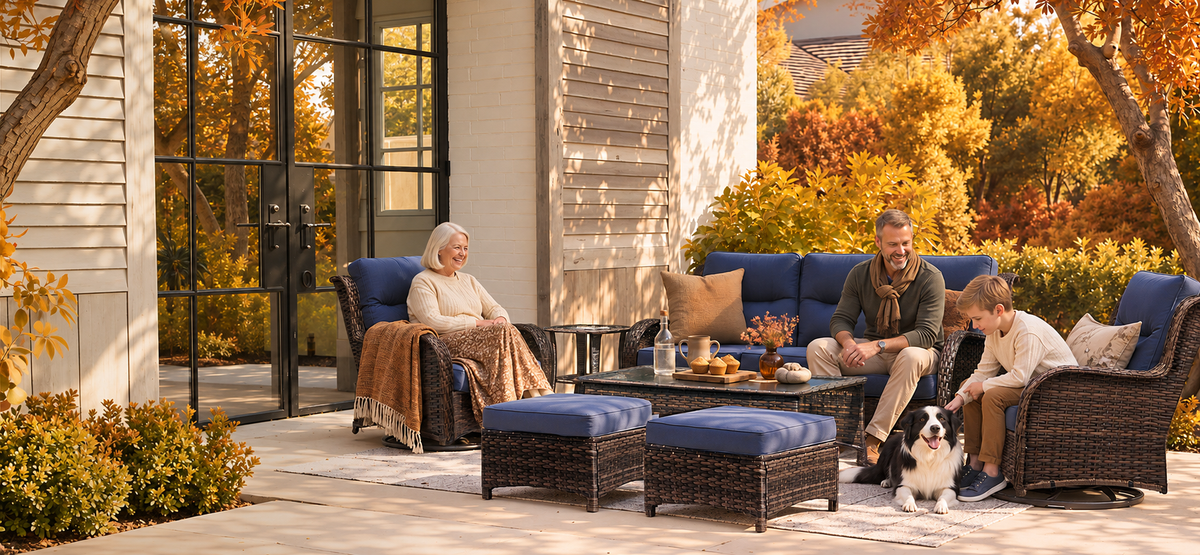
Getting the most out of your outdoor spaces.
Materials & Comfort
Explore the most comfortable outdoor furniture, from supportive cushions and durable materials to seating styles and tips for a relaxing patio.

Materials & Comfort
Wicker furniture is made using a weaving technique that creates distinctive textures and versatile designs for patios, backyards, and indoor spaces. Made from natural fibers or synthetic materials, its durability, weather resistance, and maintenance needs vary. This guide explains what wicker furniture is, the materials used, its pros and cons, and how to choose the right option for your space. What Is Wicker Furniture? Wicker furniture is defined by its weaving technique rather than a specific material. It can be made from natural fibers or synthetic strands, with designs suited to both indoor and outdoor spaces. How Is Wicker Furniture Made? The process begins with a supporting frame, typically made from metal, wood, or rattan. Flexible strands are woven around the frame to form seats, backrests, and decorative panels. Careful weaving and secure connections help the furniture maintain its shape during everyday use. Key Characteristics of Wicker Furniture The most recognizable feature of wicker furniture is its woven texture, which adds depth and visual interest to indoor designs and wicker outdoor furniture. Weave patterns range from tightly arranged flat strands to rounded designs with a more traditional appearance. Weight, flexibility, and overall strength vary depending on the materials and frame construction. Common Types and Uses of Wicker Furniture Wicker furniture comes in several forms, including chairs, sofas, conversation sets, and accent tables. An outdoor chair set of 2 can create a comfortable porch retreat, while larger sofa sets offer seating for family gatherings and outdoor entertaining. These pieces also complement sunrooms, balconies, and poolside spaces, provided their materials are suitable for the surrounding conditions. What Is Wicker Made Of? Wicker furniture can be made from natural plant fibers or synthetic materials. The material affects its appearance, durability, maintenance needs, and suitability for indoor or outdoor use. Natural Wicker Materials Traditional wicker furniture uses flexible plant materials such as rattan, willow, reed, and cane. Rattan is valued for its strength and flexibility, while willow and reed are commonly used for lighter woven designs. These materials offer natural textures and distinctive patterns but generally require protection from prolonged moisture and direct sunlight; responsible sourcing also matters, as Kew’s research on rattan identification and conservation highlights the challenges of assessing wild-harvested cane. Synthetic Wicker Materials Synthetic wicker is typically made from polyethylene (PE) or other plastic-based fibers designed to resemble natural weaving materials. PE wicker is widely used in outdoor furniture because it resists moisture and, when properly UV-stabilized, can better withstand sun exposure. Unlike natural fibers, synthetic strands do not readily absorb water, making them easier to clean and maintain. However, their long-term durability still depends on material quality, UV protection, and manufacturing standards. Natural vs. Synthetic Wicker Both materials offer the distinctive woven appearance of wicker furniture, but their performance varies across different environments. The following table highlights the main differences. Feature Natural Wicker Synthetic Wicker Materials Rattan, willow, reed, cane PE resin, PVC, other synthetic fibers Appearance Natural texture and color variations Consistent colors and woven finishes Weather Resistance Sensitive to prolonged moisture and sunlight Generally better suited to outdoor exposure Maintenance Requires more careful cleaning and protection Usually easier to clean and maintain Best Uses Indoor spaces and covered areas Patios, decks, and outdoor living spaces Natural wicker is generally better suited to indoor or sheltered spaces, while open patios and outdoor areas require greater attention to weather resistance and maintenance costs. PE synthetic wicker preserves the traditional woven texture while reducing the effects of moisture and sunlight during everyday use. The Hawthorne 5 Piece Outdoor Wicker Conversation Set features weather-resistant PE wicker paired with a rust-resistant metal frame. This combination maintains the natural woven appearance while meeting practical outdoor furniture needs, making it an easier-to-maintain seating option for family patios and backyards. Wicker vs. Rattan: What's the Difference? Wicker and rattan are often used interchangeably in furniture descriptions, but they refer to different things. Understanding this distinction helps clarify how wicker furniture is made and what materials it contains. What Is the Difference Between Wicker and Rattan? Wicker refers to a weaving technique, while rattan is a natural material obtained from climbing palms. Rattan can be used to make wicker furniture, but not all wicker furniture contains rattan. Modern wicker designs may also use synthetic fibers, including PE resin, to achieve a similar woven appearance. How Are Wicker and Rattan Used in Furniture? Natural rattan can be shaped into furniture frames or split into flexible strips for weaving seats, backrests, and decorative panels. It is commonly found in indoor chairs and accent furniture, where its natural texture adds warmth and character. Wicker weaving is also widely used in furniture such as a wicker patio couch, often combining synthetic strands with a metal frame for improved weather resistance. Checking the material specifications helps distinguish genuine rattan furniture from synthetic wicker designs that share a similar appearance. What Are the Pros and Cons of Wicker Furniture? Wicker furniture offers distinctive style and practical benefits, but its performance depends on the materials, construction, and conditions of use. Benefits of Wicker Furniture The natural woven texture of wicker furniture adds warmth and visual appeal to outdoor spaces, while well-designed seating enhances everyday comfort. The Hawthorne 3 Piece Outdoor Wicker Conversation Set combines high backrests, thick cushions, and 360° swivel and gliding motion to provide comfortable body support and allow easy changes in direction during reading, relaxing, or conversations. With two swivel glider chairs and a small side table, the set creates a comfortable and practical retreat on porches and balconies. Limitations of Wicker Furniture Despite its advantages, wicker furniture has some limitations. Natural wicker can weaken or warp after prolonged exposure to moisture, while lower-quality synthetic wicker may fade or become brittle under intense sunlight. Dust and debris can also collect between woven strands, making cleaning more time-consuming than with smooth furniture surfaces. Damaged weaving may be difficult to repair, so choosing quality materials and following proper maintenance practices are important for long-term use. How to Choose the Right Wicker Furniture Outdoor exposure, available space, and everyday seating needs all influence which wicker furniture will work best. When choosing an outdoor sofa set, material quality and frame construction are just as important as the overall design. Choose Materials Based on Indoor or Outdoor Use Indoor spaces and covered porches can accommodate natural wicker, which offers organic textures but needs protection from excess moisture. Open patios, decks, and poolside areas benefit from UV-resistant synthetic wicker that handles outdoor exposure more effectively. Local weather conditions and maintenance needs should guide the final material choice. Check Frame Materials and Weave Quality A sturdy frame and well-constructed weave are essential for long-lasting wicker furniture. Powder-coated aluminum offers corrosion resistance without adding much weight, while properly treated steel provides strong structural support. Look for evenly woven strands, secure connections, and minimal gaps or loose ends, as poor construction can lead to sagging or premature wear. On a wicker patio chair, pay particular attention to loose strands around the seat edges and armrests, where signs of poor workmanship may be easier to spot. Match Wicker Furniture to Your Space and Needs A well-planned patio should accommodate both everyday relaxation and family gatherings. Well-arranged outdoor conversation sets provide enough seating for group gatherings, while supportive seats and room to stretch out make individual downtime more comfortable. The Hawthorne 6 Piece Outdoor Wicker Sofa Set brings together a three-seat sofa, two swivel glider chairs, two ottomans, and a coffee table, creating space for family and friends to gather without sacrificing personal comfort. The ottomans provide additional leg support, while the coffee table keeps drinks and everyday essentials within reach. Together, these pieces help transform a medium-sized backyard or patio into a functional outdoor living room rather than simply adding more seats. Conclusion Wicker furniture combines timeless woven designs with versatile options for indoor and outdoor living. Natural wicker offers organic texture, while synthetic wicker provides greater weather resistance and easier maintenance for patios and backyards. Understanding the materials, frame construction, and seating options will help you choose furniture that suits your space, comfort needs, and long-term use. FAQ Is Wicker Furniture Eco-Friendly? Natural wicker made from renewable plant materials can be an environmentally friendly option, especially when responsibly sourced. Synthetic wicker is generally plastic-based, so its environmental impact depends on material quality, lifespan, and recyclability. Durability and proper maintenance also help reduce the need for frequent replacement. Can You Paint Wicker Furniture? Yes, natural wicker furniture can be painted after thorough cleaning and drying. A suitable primer and spray paint can help achieve an even finish across the woven surface. Painting PE wicker requires coatings specifically designed for plastic surfaces, as ordinary paint may peel from its flexible strands. Can Broken Wicker Furniture Be Repaired? Minor damage, such as loose or broken strands, can often be repaired through reweaving or replacing individual sections. More extensive damage involving the frame or large woven areas may require professional repair. The feasibility depends on the material and extent of the damage. Should You Bring Wicker Furniture Cushions Indoors? Yes, storing outdoor cushions indoors during heavy rain, snow, or extended periods of non-use helps protect them from moisture, mold, and premature wear. Even water-resistant cushions can absorb moisture through seams. Always allow cushions to dry completely before storage. How Do You Prevent Mold on Wicker Furniture? Keep wicker furniture clean, dry, and well-ventilated to reduce mold growth. Remove debris from woven gaps regularly and avoid leaving cushions or natural wicker damp for extended periods. In humid climates, breathable furniture covers and proper airflow can help prevent moisture buildup.
Find comfortable pieces thoughtfully scaled for the way you live outside.


